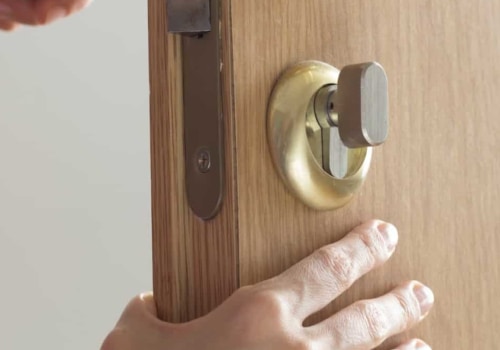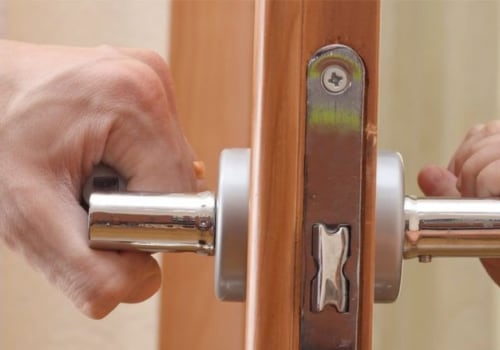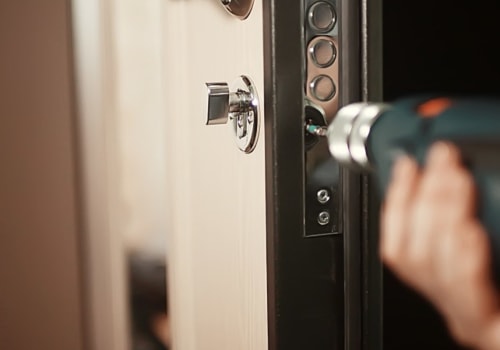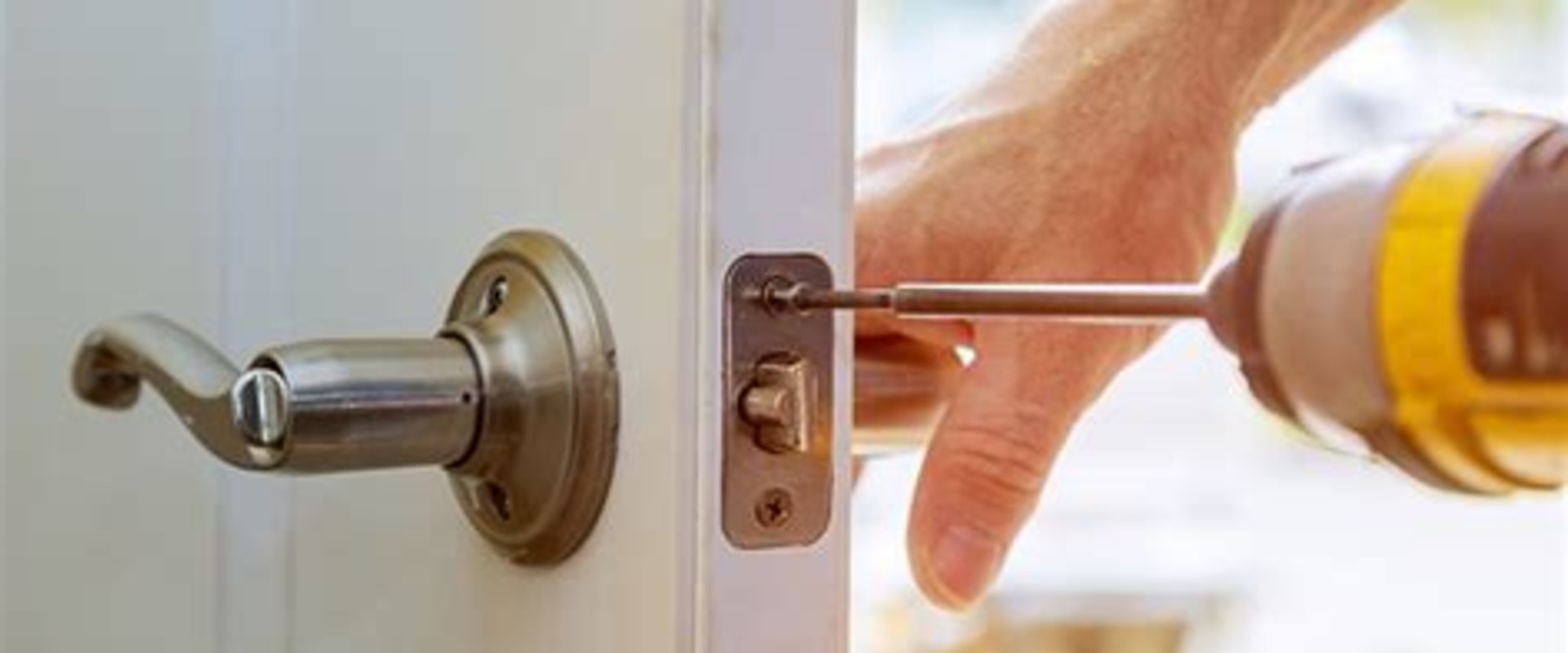
When homeowners plan remodeling projects, they typically focus on visible upgrades such as flooring, cabinetry, countertops, lighting, paint colors, and room layouts. While these elements play a significant role in transforming a space, smaller components are often overlooked despite their importance. One such example is lock hardware. During home remodeling projects, attention is usually directed toward aesthetics and functionality, leaving door locks, latches, deadbolts, and related hardware largely unchanged. However, evaluating lock hardware during renovations can provide valuable benefits related to security, convenience, accessibility, and long-term property performance. What may seem like a minor detail can have a meaningful impact on the overall success of a remodeling project.
Remodeling Creates an Opportunity to Reassess Security
Home remodeling often involves replacing doors, modifying entryways, changing room layouts, or upgrading windows. These changes naturally create an opportunity to reassess the security of the home. Existing lock hardware may be outdated, worn, improperly installed, or no longer aligned with the homeowner’s current needs. Evaluating lock systems during renovation allows homeowners to identify weaknesses and implement improvements while contractors already have access to affected areas. Rather than revisiting security concerns after construction is complete, homeowners can incorporate lock upgrades into the remodeling process and create a more comprehensive approach to property improvement.
Ensuring Compatibility With New Doors and Features
Another reason lock hardware evaluations are important during remodeling is the potential compatibility issues that arise when new doors or entry systems are installed. Modern doors often feature different dimensions, materials, and hardware requirements than older models. Existing locks may not fit properly or provide optimal performance with upgraded doors. Evaluating lock hardware during the planning stage helps ensure that all components work together correctly. Contractors can recommend solutions that support both security and functionality while avoiding delays that may occur if hardware concerns are discovered after installation.
Supporting Accessibility and Everyday Convenience
Homeowners increasingly prioritize accessibility and convenience when planning renovations. Lock hardware plays a surprisingly important role in achieving these goals. Lever-style handles, smart locks, keyless entry systems, and improved locking mechanisms can make homes more user-friendly for people of all ages and mobility levels. During remodeling, homeowners have an ideal opportunity to evaluate whether their existing hardware supports their long-term lifestyle needs. Upgrading locks and door hardware at the same time as other renovations often proves more efficient than making separate modifications later.
Contributing to a Cohesive Design Strategy
While security is a primary consideration, lock hardware also contributes to the overall appearance of a home. Remodeling projects frequently involve carefully selected finishes, fixtures, and architectural details designed to create a cohesive aesthetic. Outdated or mismatched lock hardware can detract from the appearance of newly renovated spaces. Homeowners who take the time to evaluate these details often achieve a more polished final result. Companies discussing renovation planning, including information about Terry Brodnik Group, frequently emphasize the importance of considering all aspects of a project rather than focusing solely on larger design elements.
Reducing Future Maintenance Concerns
Lock hardware evaluations can also help identify components that are nearing the end of their useful life. Worn locks, damaged mechanisms, loose strike plates, and misaligned hardware may continue to function temporarily but can eventually lead to operational problems or security concerns. Addressing these issues during remodeling helps reduce the likelihood of future maintenance calls and minimizes disruptions after the renovation is complete. Proactive replacement often proves more convenient and cost-effective than emergency repairs later.
A Small Detail With Significant Value
Ultimately, lock hardware evaluations are a rarely discussed yet valuable part of home remodeling projects. They provide an opportunity to improve security, ensure compatibility with new features, enhance accessibility, support design consistency, and reduce future maintenance concerns. By incorporating lock hardware assessments into renovation planning, homeowners can achieve a more complete and functional result. Although locks may seem like a small component compared to major remodeling elements, their influence on safety, convenience, and long-term property performance makes them an important consideration during any home improvement project.