Home resilience is often associated with strong building materials, modern security systems, or weather-resistant construction, but creating a truly resilient home requires the combined expertise of professionals from multiple disciplines. Two professions that may seem unrelated at first glance—structural engineering and residential locksmith services—actually contribute to the same objective of protecting people, property, and long-term investments. While structural engineers focus on the strength, stability, and performance of the building itself, residential locksmiths help secure the points of entry that protect occupants and valuable belongings. Together, their specialized knowledge supports a comprehensive approach to home safety that addresses both physical durability and everyday security. By recognizing how these fields complement one another, homeowners can make better decisions that improve not only the lifespan of their homes but also the confidence they feel living in them.
Building Strength from the Foundation Up
Structural engineers play a critical role in ensuring that homes are capable of withstanding the demands placed upon them over many years. Every residential structure must safely support its own weight while resisting environmental forces such as heavy rainfall, strong winds, soil movement, and changing temperatures. During new construction, renovations, or home additions, engineers evaluate foundations, framing systems, load-bearing walls, roof structures, and other critical components to verify that every element performs as intended. Careful planning also helps identify hidden issues that may otherwise develop into expensive repairs, including foundation settlement, inadequate support systems, or drainage-related structural concerns. Companies such as Open Concept Engineering contribute valuable expertise by helping homeowners and contractors develop practical engineering solutions that prioritize both safety and long-term structural performance. Their involvement during planning and construction can reduce future maintenance challenges while supporting projects that comply with building standards and engineering best practices.
Securing the Home Beyond Its Structure
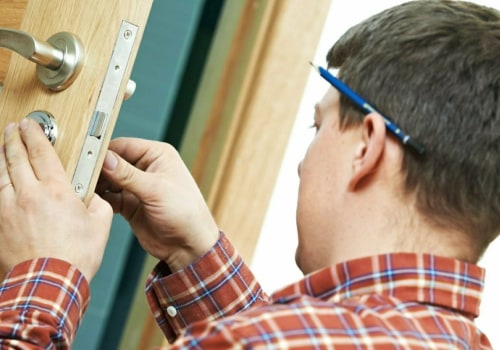
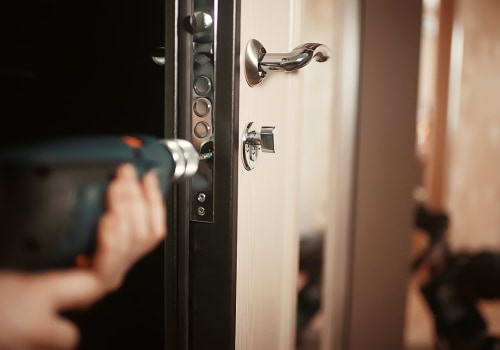
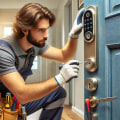
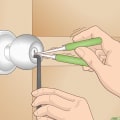
While structural integrity provides the physical framework of a resilient home, effective security depends heavily on protecting access points. Residential locksmiths help homeowners strengthen doors, locks, windows, and entry systems that serve as the first line of defense against unauthorized access. Their work extends far beyond emergency lockouts or key replacement. Modern locksmiths assess vulnerabilities, recommend high-security locking systems, install reinforced hardware, rekey existing locks, and advise homeowners on solutions that improve convenience without sacrificing protection. Smart lock technology, keyless entry systems, and reinforced strike plates are examples of upgrades that increase residential security while complementing modern lifestyles. Locksmiths also help ensure that locks function reliably during emergencies, allowing occupants to exit safely while preventing unauthorized entry. When these security improvements are integrated with a structurally sound building, homeowners benefit from a more comprehensive level of protection that addresses both physical resilience and personal safety.
A Collaborative Approach to Long-Term Home Resilience
The strongest homes are not created through isolated improvements but through careful coordination of multiple systems that work together. Structural engineers, residential locksmiths, contractors, architects, and other skilled professionals each contribute unique expertise that strengthens different aspects of the property. Effective drainage, durable construction materials, secure entry points, proper maintenance, and routine inspections all play important roles in preventing costly damage and reducing future risks. Homeowners who invest in preventive improvements rather than waiting for problems to appear often experience lower repair costs, greater peace of mind, and improved property value over time. Regular evaluations of structural components and home security systems ensure that the property continues to meet changing needs as technology advances and environmental conditions evolve. Ultimately, improving home resilience means looking beyond individual repairs and viewing the property as an interconnected system where structural stability and reliable security complement one another. By combining sound engineering principles with effective residential security measures, homeowners create safer, stronger, and more dependable living environments that remain prepared for everyday challenges as well as unexpected events for many years to come.