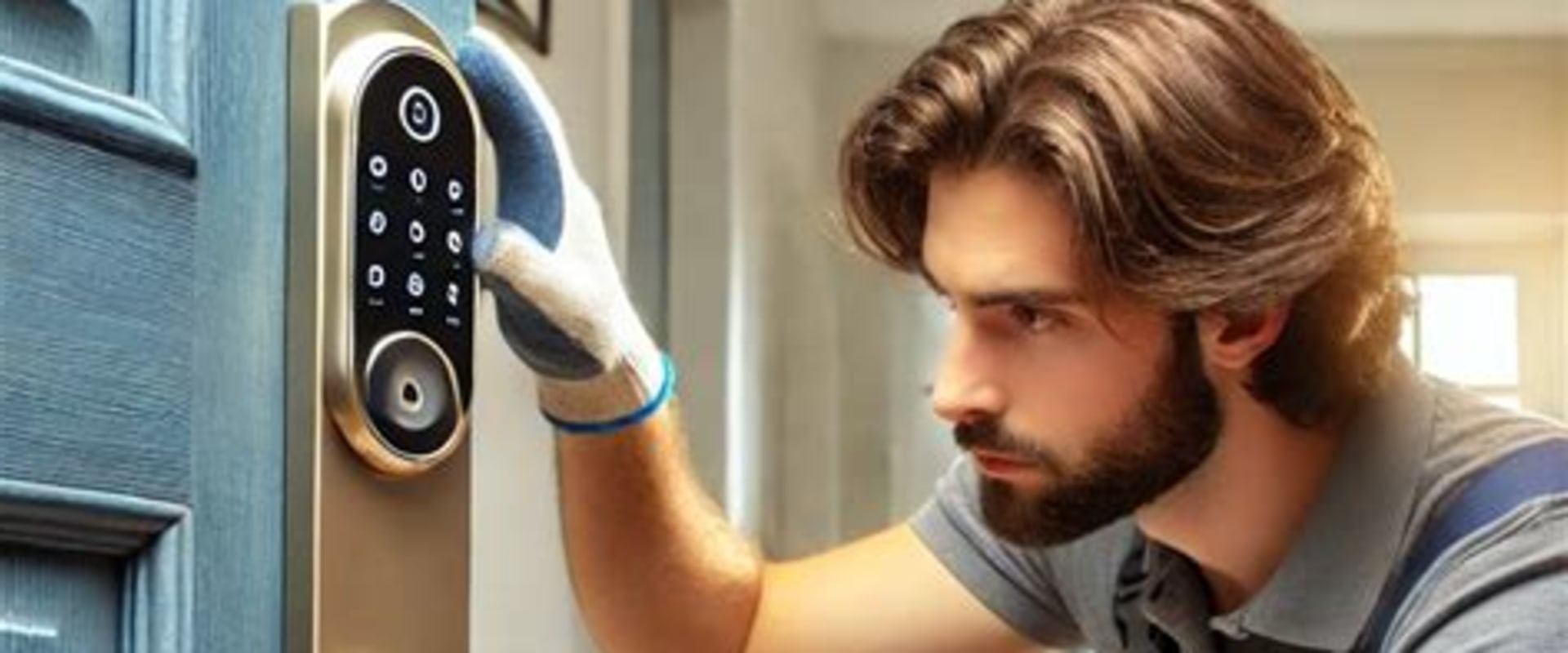
Smart locks and advanced access systems are redefining residential security by offering homeowners a seamless blend of convenience and control. Unlike traditional locks, these systems allow for keyless entry using mobile apps, PIN codes, or biometric authentication, making everyday access simpler while enhancing safety. However, installing a smart lock is not just about upgrading hardware—it requires careful consideration of compatibility, connectivity, and overall security needs. Residential locksmiths stress the importance of selecting systems that integrate well with your existing doors and home setup to ensure optimal performance without compromising protection.
Choosing the Right Smart Lock for Your Needs
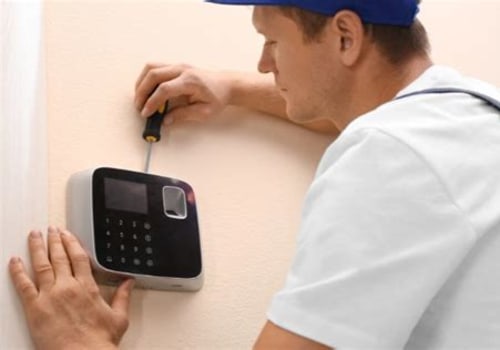
Selecting the right smart lock is a crucial first step in the installation process. Homeowners should consider features such as remote access, battery backup, user capacity, and integration with home automation systems. Some smart locks are designed for basic keypad entry, while others offer advanced features like voice control and real-time monitoring. It’s also important to evaluate the reliability of the locking mechanism and the durability of the materials used. Consulting with professionals, including specialists like Baker Brothers McKinney, can provide valuable insights into how electrical components and smart systems work together, especially for locks that require wiring or integration with other home technologies.
Ensuring Proper Installation and Fit
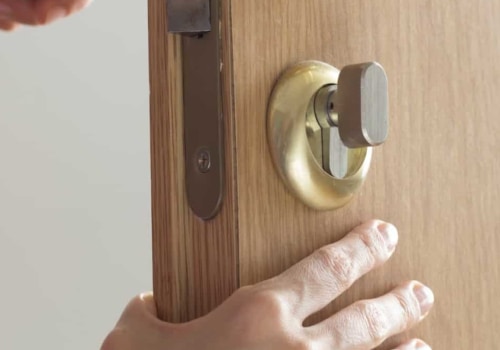
Proper installation is essential to ensure that smart locks function securely and efficiently. Residential locksmiths recommend starting with a thorough inspection of the door and frame to confirm they are properly aligned and structurally sound. Misaligned doors can prevent smart locks from engaging correctly, reducing their effectiveness. Following manufacturer instructions carefully is key, particularly when it comes to calibration and connectivity setup. Ensuring a tight and precise fit minimizes gaps and enhances security. For those unfamiliar with technical installation steps, professional assistance can help avoid common mistakes and ensure the system is installed correctly from the start.
Integrating Smart Locks with Home Systems
Smart locks become even more powerful when integrated into a broader home security and automation system. Pairing locks with security cameras, alarms, and mobile alerts allows homeowners to monitor and control access in real time. This integration provides added peace of mind, especially for those who frequently travel or manage multiple users. Features such as temporary access codes and activity logs make it easier to track who enters and exits the home. Residential locksmiths often recommend exploring these options to create a cohesive security system that maximizes both convenience and protection.
Maintenance and Long-Term Performance
Maintaining smart locks and access systems is just as important as proper installation. Regularly checking battery levels, updating firmware, and inspecting physical components can help prevent unexpected malfunctions. Cleaning the lock and ensuring that moving parts remain unobstructed also contributes to long-term reliability. Additionally, homeowners should periodically review and update access codes to maintain security. By combining thoughtful selection, proper installation, and consistent maintenance, smart locks can provide a dependable and efficient solution for modern home security. Investing in these systems not only enhances safety but also adds lasting value and convenience to any household.